
A Guide To Growing Zucchini In Pots
If you live in Zone 4a and think growing zucchini is difficult, I promise it is much easier than it looks. Zucchini is a fast-growing plant that does very well in containers when given enough light, water, and space, so you do not need a large backyard or expensive supplies to grow it successfully!
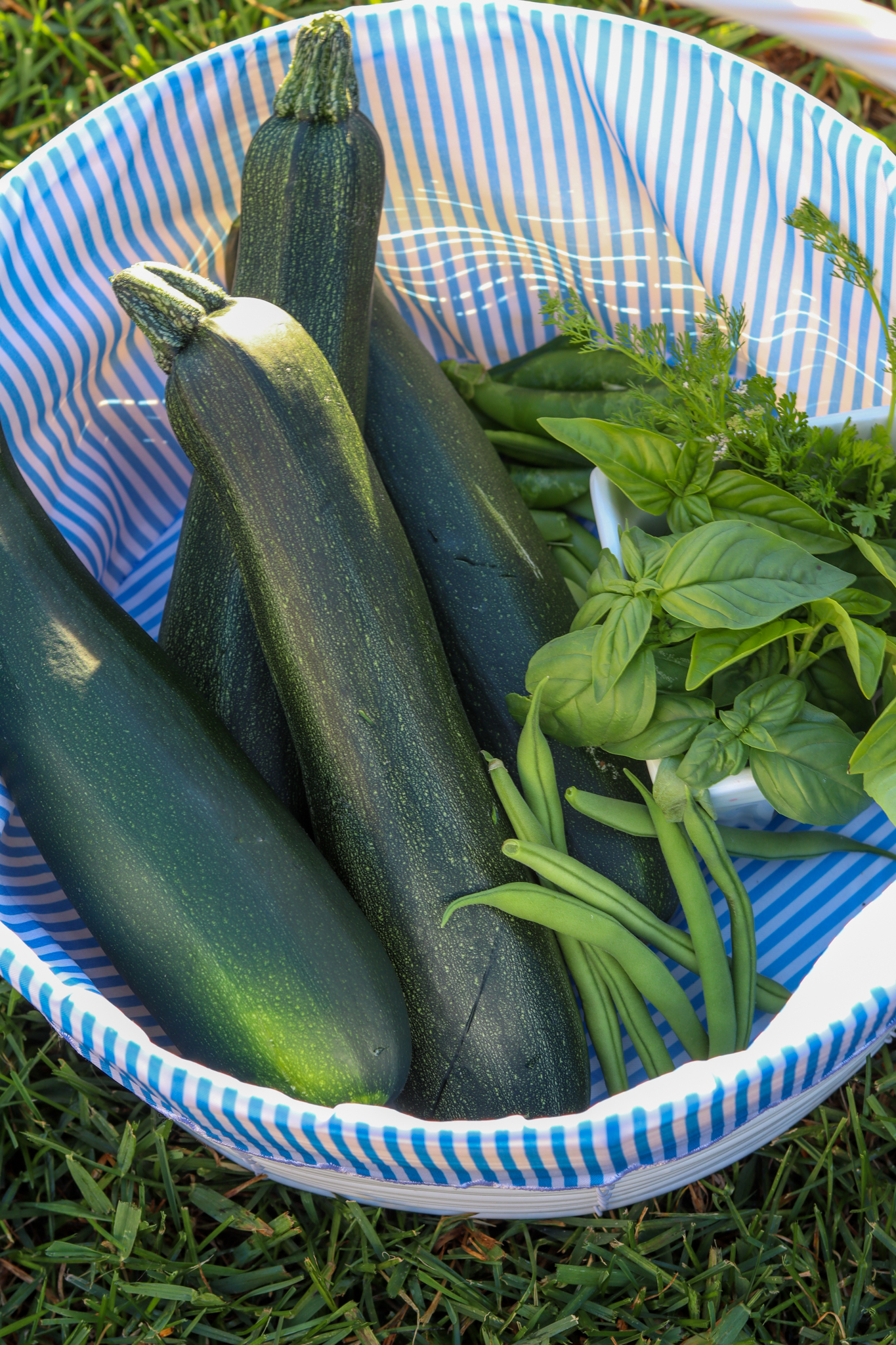
Starting Zucchini Seeds Indoors
1. When to Start Growing Zucchini in Zone 4a
Knowing when to start growing zucchini is one of the most important steps for a successful harvest, especially in colder climates like Zone 4a. Zucchini seeds should be started indoors about three weeks before the last expected frost date. In Zone 4a, the average last frost usually occurs in the second or third week of May, but nighttime temperatures can still drop below comfortable levels for young plants.
To avoid cold stress, I typically start my zucchini seeds during the final week of April or around May 1. By the last week of May, zucchini plants are usually ready to be transplanted into large pots outdoors, once temperatures are more consistent and nights are warmer.
2. Soil for Germination
Use a light and well-draining potting mix. You do not need special or expensive soil. Regular potting soil works perfectly fine and has supported healthy and abundant harvests for years.
3. How to Plant Zucchini Seeds
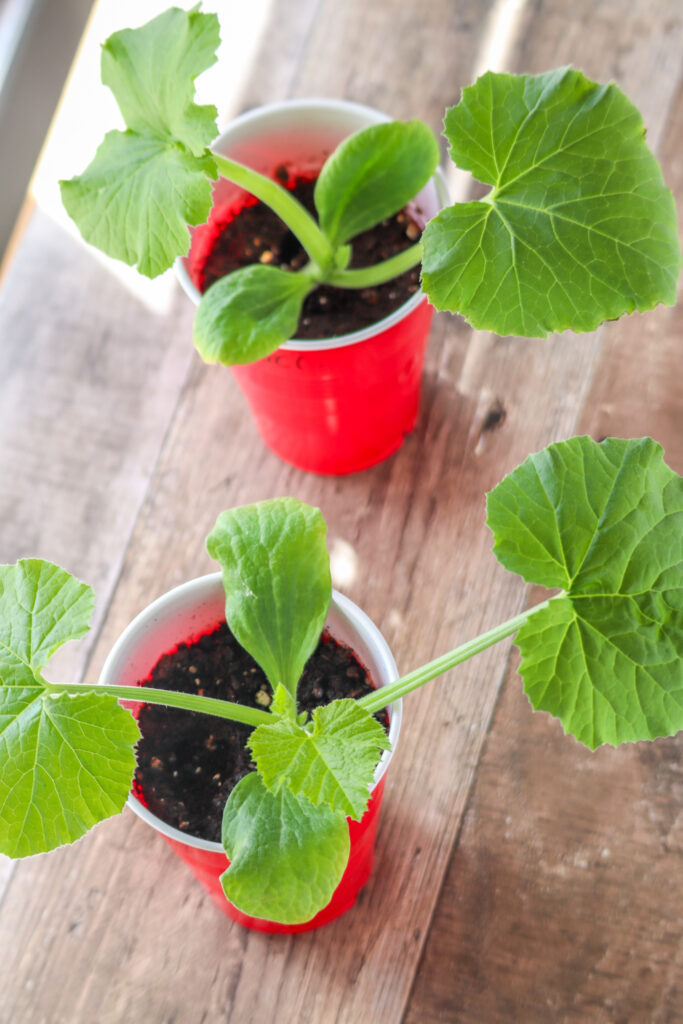
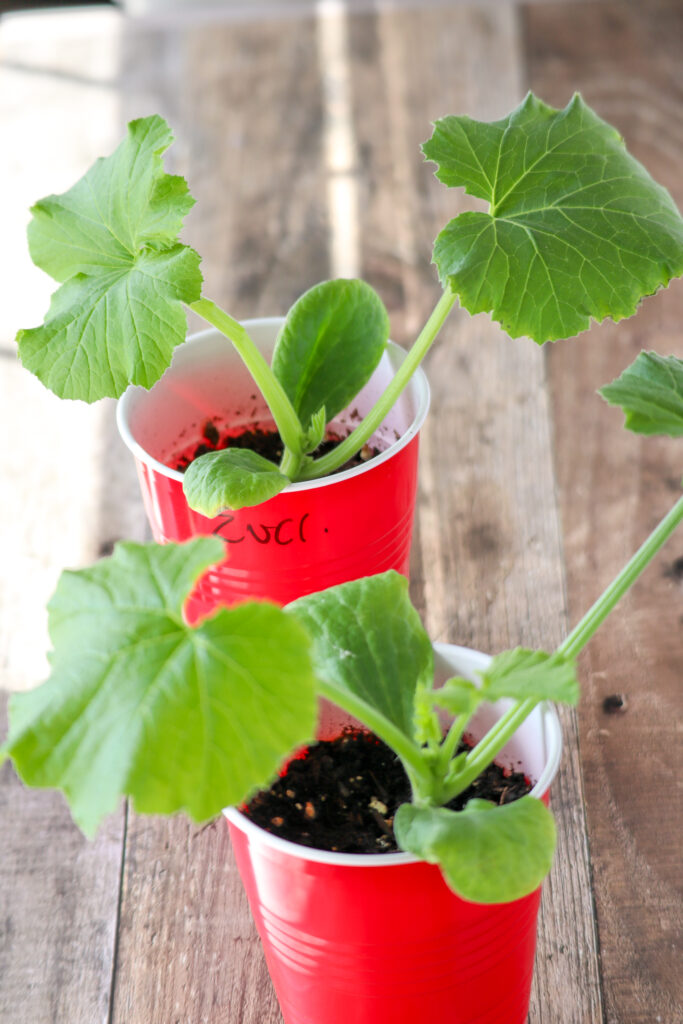
Fill a cup or small pot about three-quarters of the way with soil. Use your finger to make a small hole about one inch deep. Place one zucchini seed into the hole and gently cover it with soil. Lightly water the surface so the soil is moist but not soaking wet. Plastic cups from the dollar store work well for this step. Just make sure to poke holes in the bottom so excess water can drain out.
4. Watering Young Plants
As the seedling grows, begin watering from the bottom. Bottom watering encourages deeper root growth and prevents overwatering. To do this, fill a shallow tray or bowl with water and place the cup into it for about ten minutes. Once the soil has absorbed enough water, remove the cup and allow it to drain.
5. Light Requirements
What I love about zuchinu is that the plant grows very quickly, but without enough light, it will become tall and weak. This is known as a leggy plant. Zucchini needs about 6 to 8 hours of light per day. In Zone 4a, cloudy days are common, so grow lights are very helpful. You can use any grow light that fits your budget. Keep the light close to the plant so it grows strong and compact.
Transplanting Zucchini
6. Hardening Off the Plant
Before moving your zucchini outdoors, it needs time to adjust. Start by placing it outside for twenty minutes on the first day. Increase the time each day over the course of a week, and on the final day, leave the plant outside all night. This helps the plant adapt to the temperature and prevents transplant shock.
7. Choosing the Right Container for Zucchini
I like to use the Vigoro 20.5 inch Whiskey Barrel Resin Planter in Kentucky Walnut because it is sturdy, spacious, and holds soil well without becoming waterlogged. That said, you do not need this exact planter to grow zucchini successfully. Large pots from dollar stores, garden centres, or hardware stores work just as well, as long as they are deep and wide enough. You can also use grow bags, which are a great, lower-cost option!
Grow bags are another excellent option and are often more affordable. No matter what container you choose, make sure it has drainage holes at the bottom. Proper drainage is essential to prevent root rot and ensure consistent healthy growth when growing zucchini in pots.
Caring For Zucchini Plants
8. Soil and Mulch
You can go as expensive or as budget-friendly as you like with soil. After growing zucchini for the past five years, I’ve found that almost any good-quality garden soil will work, so don’t feel stressed about spending too much money. Even the inexpensive $5 soil bags can work great. You can always mix in fertilizer or compost to increase the nutrient value and support healthy growth.
Zucchini plants don’t like to be planted too deep. Place the plant into the soil so the top of the root ball sits level with the soil surface, then gently add more soil around it until it reaches the lower stem.
After planting, water the plant really well and add a layer of mulch around the base. Mulch helps keep moisture in the soil, reduces weeds, and protects the plant during hot weather.
Your plant may look droopy or even a little sad for a few days after transplanting. Don’t worry, transplant shock is completely normal. Within a few days, you’ll usually see it perk up and start thriving.
9. Water and Fertilzier
Water your zucchini frequently, especially during hot weather. In the peak of summer, you may need to water daily because zucchini plants grow quickly and use a lot of moisture. Consistent watering helps the fruit grow evenly and prevents stress on the plant.
You can also add a fertilizer of your choice every two weeks to support strong growth and production. I personally like using Miracle-Gro All Purpose Plant Food, but any balanced vegetable fertilizer will work well.
10. Growing Zucchini (Pollination Tips)
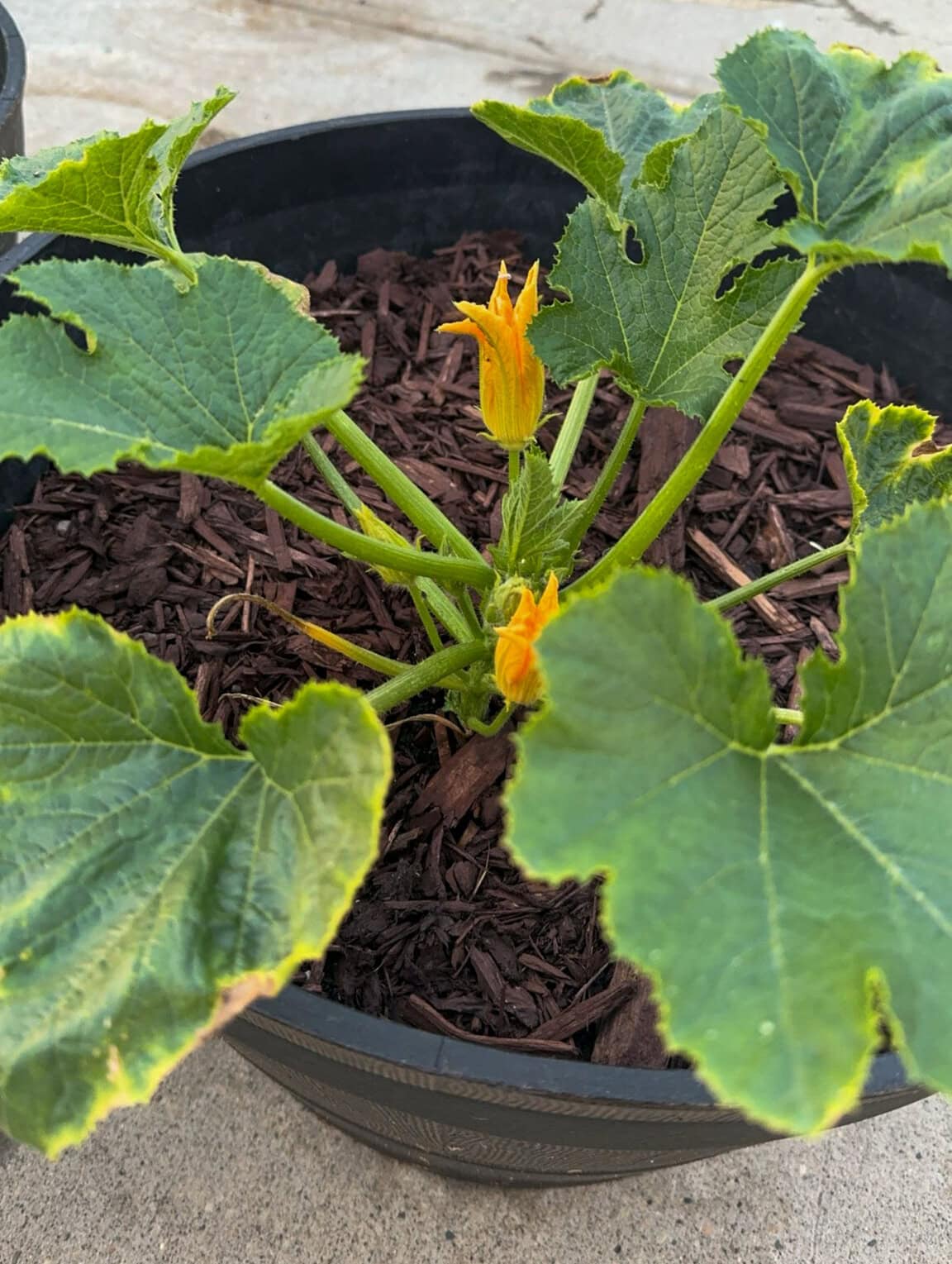
While you can rely on nature to pollinate your zucchini, I often notice a lack of bees and other pollinators early in the summer. Because of that, I prefer to hand-pollinate to make sure my plants produce fruit.
Start by identifying the male and female flowers:
- The male flower has a long, thin stem
- The female flower has a small baby zucchini at the base and a shorter, thicker stem
Use a clean paintbrush or cotton swab to gently collect the yellow pollen from inside the male flower. Then carefully brush that pollen inside the female flower. This simple step can significantly improve your harvest.
10. Pruning the Leaves
As your zucchini plant grows, you can trim some of the leaves to keep the plant healthy. Focus on cutting off any leaves that are underneath the zucchini fruit that is growing.
Avoid cutting leaves above the fruit, since those leaves help provide energy for growth. Pruning lower leaves helps with disease prevention, pest problems, and improves air circulation around the plant.
This small maintenance step can make a big difference in keeping your zucchini plants productive throughout the season.
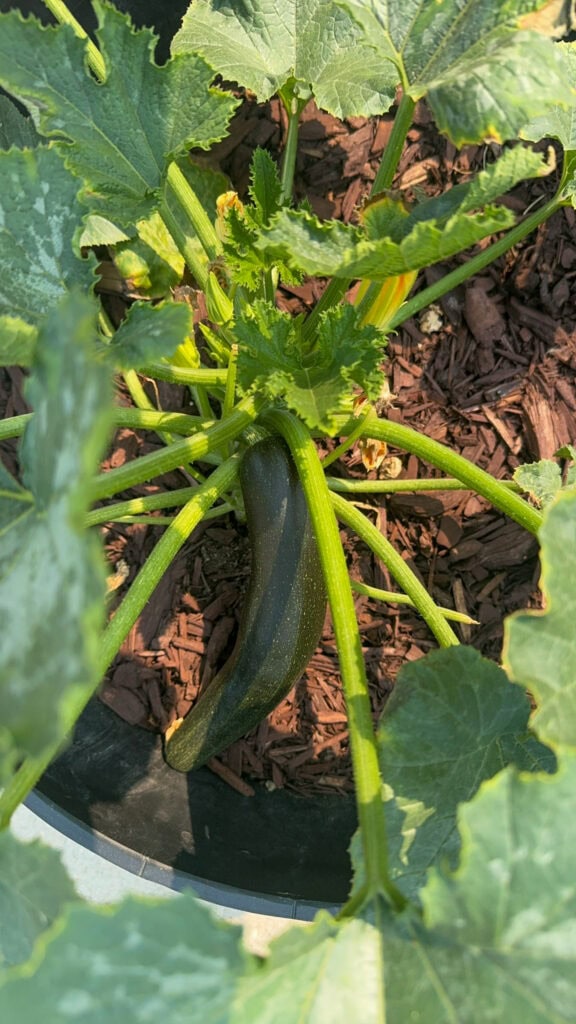
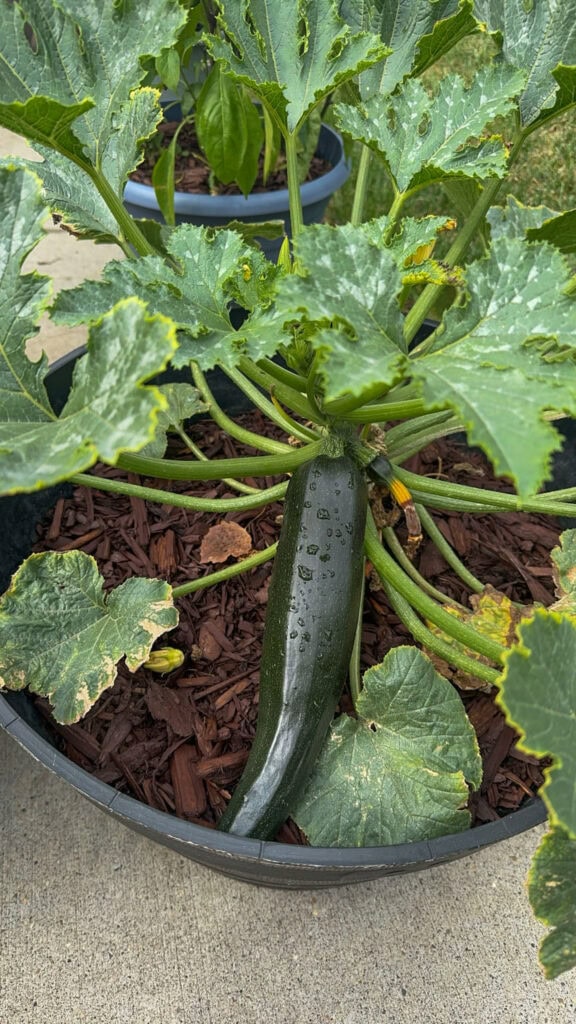
11. Harvesting Zucchini
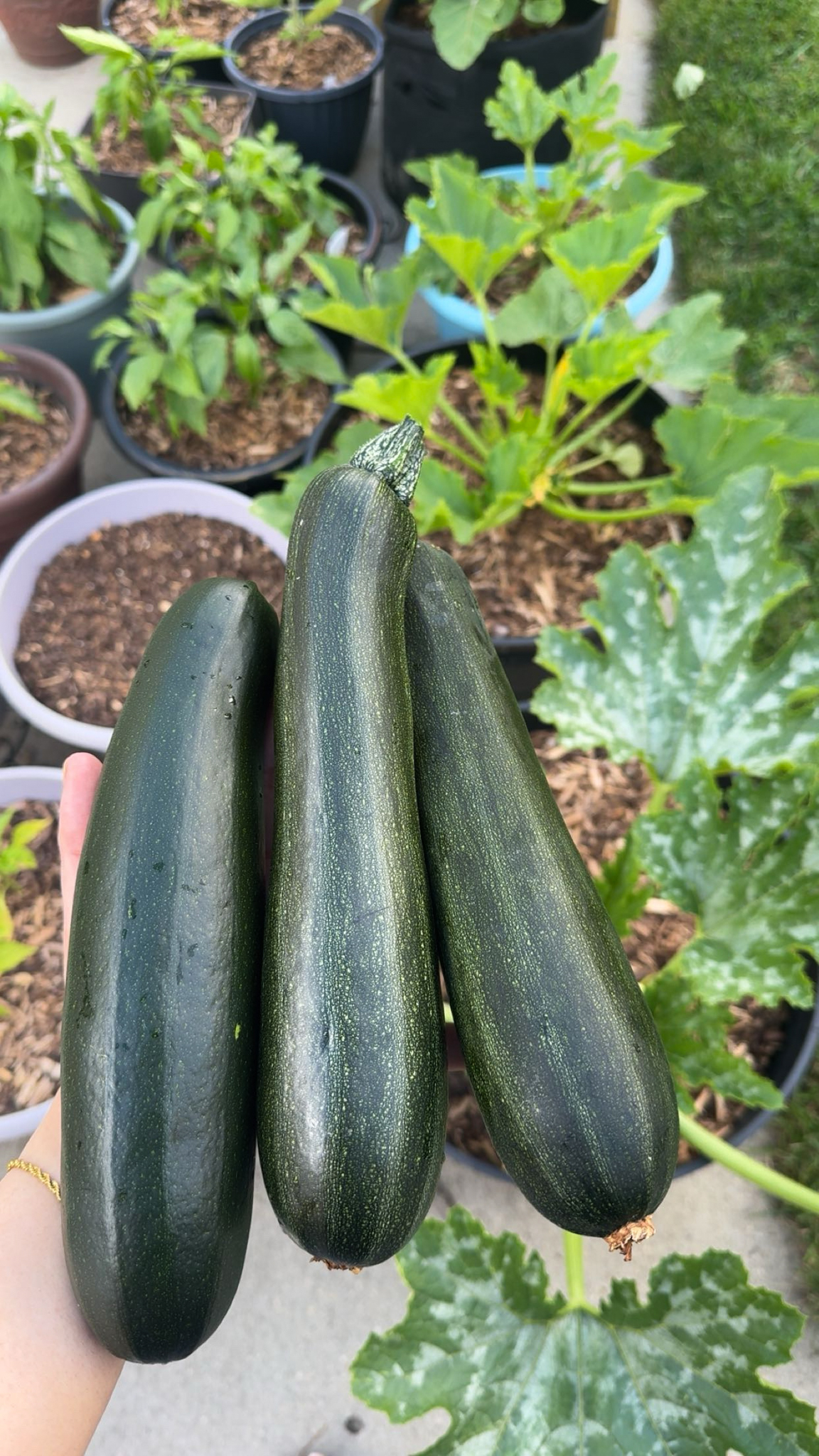
Your zucchini is usually ready to harvest when it is about 6–8 inches long, though I personally prefer to let mine grow a little larger for a meatier texture.
To harvest, use clean garden shears or a sharp knife and cut the zucchini off the plant at the stem, leaving a small portion of the stem attached to the fruit. Avoid twisting or pulling it off, as this can damage the plant.
After harvesting, you can trim away any nearby leaves that are blocking airflow or touching the fruit. This helps keep the plant healthy and encourages continued production throughout the season. Regular harvesting is important since once a zucchini gets too large, it can become tasteless and slow down new growth.










Leave a Reply